Rust Token Killer vs Caveman — both are free, open-source tools for cutting the tokens your AI agent burns through, but they work in completely different ways, and the honest answer is you should probably use both. Here's exactly what each one does, the real savings I measured, and how they stack together.
📺 Watch: RTK (Rust Token Killer) cutting ~82% of tokens with Claude
Want the full token-minimizer stack set up for you? It's inside the AI Profit Boardroom. → Join AIPB
Rust Token Killer vs Caveman: The Key Difference
This is the whole thing in one line: they cut tokens at opposite ends of the conversation. RTK (Rust Token Killer) filters what your computer sends back to the agent — it strips the padding out of command outputs. Caveman changes what your agent says to you — it makes the model reply short and blunt. RTK trims input; Caveman trims output. That's why they don't compete — they stack.
What Is RTK (Rust Token Killer)?
RTK is an open-source filter that sits between your AI agent and the shell. When the agent runs a command, RTK strips the padding, repeated headers and unchanged lines before the agent reads the result. In my tests it saved 82.9% of tokens on average (the README claims 60–90%), with only ~14ms of added latency. The classic example: a git diff that returned 373,000 characters dropped to 29,000 through RTK — 92% less for the agent to read — and the full output is still saved to a file if you ever need it. It's tiny (6.6MB), installs in one command on Linux/Mac, and shortens the replies of about 100 everyday commands.
📺 Watch: Headroom: FREE Tool Cuts Tokens by 95%!
What Is Caveman?
Caveman is a free skill that makes your agent answer like a smart caveman — short, blunt, and right — dropping filler like "sure, I'd be happy to help." It's just a rules text file dropped into each agent's skills folder, read at the start of every chat. In tests on Fable 5 it cut output tokens by ~69% (e.g. 1,349 → 324) and total cost by ~37%, while keeping every answer correct — code, commands, file paths and error messages are never touched. It works across Claude Code, Codex, Gemini, Cursor, Windsurf and 30+ agents, toggles with /caveman, and has light/full/ultra modes.
Rust Token Killer vs Caveman: Head-To-Head
| RTK (Rust Token Killer) | Caveman | |
|---|---|---|
| What it trims | Command output (input to the agent) | The agent's own replies (output) |
| How | Filter between agent and shell | A rules file the agent reads each chat |
| Savings (tested) | ~82.9% on command output | ~69% output tokens / ~37% cost |
| Best for | Coding agents running lots of commands | Any agent, cutting reply verbosity |
📺 Watch: SubQ: New AI with 12M Token Context Window!
The Verdict: Use Both (Stack Them)
There's no real "winner" — RTK vs Caveman is the wrong question, because they solve different halves of the problem. The smart move is to stack them, along with the rest of the token-minimizer playbook: Ponytail (makes the agent code like a lazy senior dev), RTK (shrinks command output), Headroom (compresses the whole context), and Caveman (shortens replies). Layered together across every agent you run, the savings compound massively — which matters a lot when you're squeezing more out of a Fable 5 or Claude subscription.
Get The Full Token-Minimizer Stack
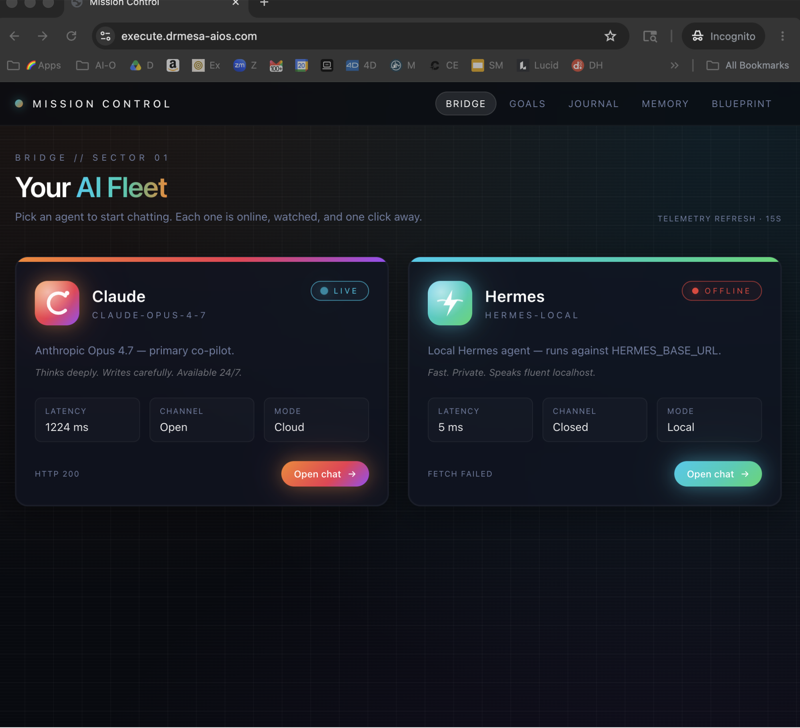
Setting up RTK, Caveman, Ponytail and Headroom across every agent is fiddly to do by hand. Inside the Agent Operating System in the AI Profit Boardroom, the whole token-minimizer stack is pre-wired across Claude, Hermes and OpenClaw, so the savings compound automatically — plus a setup guide and weekly coaching. → Join AIPB.
Frequently Asked Questions
What's the difference between RTK and Caveman?
RTK strips padding from command output the agent reads; Caveman makes the agent's own replies shorter. RTK trims input, Caveman trims output — so they stack rather than compete.
Which saves more tokens?
In tests RTK saved ~82.9% on command output and Caveman ~69% on reply tokens — but they save on different things, so using both saves the most.
Are RTK and Caveman free?
Yes — both are free, open-source, and install in a single command.
The Bottom Line
Rust Token Killer vs Caveman isn't really a contest: RTK shrinks the command output your agent reads, Caveman shrinks the replies it writes. Stack both (plus Ponytail and Headroom) and the token savings compound across every agent you run.