In the deepseek harness vs opencode match-up, OpenCode is the better long-term coding agent for most people — leaner, endlessly configurable and able to route to hundreds of models — while the DeepSeek harness wins on pure speed-to-value, because it puts DeepSeek V4 Pro in your terminal in about thirty seconds with no API key, no card and no configuration at all. Both are free, both live in your terminal, and both run an agent loop that writes code, runs it, hits errors and fixes them. The real question is not which one is "best" in the abstract — it is which trade-off suits the work in front of you, and that is what this comparison walks through.
📺 Watch: Hermes vs DeepSeek Harness: Best AI Agent in 2026?
🔥 Get the Agent OS as a free bonus: AI Profit Boardroom members get the full Agent OS zip, prompt libraries, daily tutorials and weekly live coaching calls. → Get inside · Want AI SEO help 1-on-1? Book a free SEO strategy session →
DeepSeek Harness vs OpenCode: The Verdict In Brief
Ranked for the most common use case — a solo builder or small team that wants serious coding output without a serious bill — OpenCode takes the number one spot. It is an open-source coding agent from the team at Anomaly, it runs as a terminal interface, desktop app or IDE extension, and according to the official OpenCode documentation (fetched 9 September 2026) it supports multiple LLM providers, LSP servers, MCP servers, plugins and a built-in undo and redo for its changes. The DeepSeek harness comes second — not because it is worse software, but because it is narrower by design: it is the fastest free route to a specific set of models rather than a general-purpose platform. If you only ever want DeepSeek V4 Pro doing the work, that narrowness is a feature, not a flaw.
What The DeepSeek Harness Actually Is
The DeepSeek harness is the runtime wrapper that turns DeepSeek's raw models into a working coding agent — the layer that lets the model read your files, write new ones and run commands. As the full deepseek harness guide on this site explains, the harness in question is called FreeBuff and ships free from the CodeBuff team. Setup is a single command: npm install -g freebuff, then run freebuff inside your project folder. No API key, no signup screen, no credit card, no trial timer. On first boot it asks which model you want as your main coder, and the menu covers DeepSeek V4 Pro, Kimi K2.6, Miniax M2.7 and DeepSeek V4 Flash. That is the entire pitch: frontier-class models, zero configuration, zero cost. If the cost question is the one that brought you here, the is the deepseek harness free breakdown covers exactly what you do and do not pay for.
What OpenCode Actually Is
OpenCode is an open-source AI coding agent built by Anomaly, and its official docs describe a noticeably broader surface than the harness offers. You can run it as a terminal TUI, a desktop app or an IDE extension. It reads an AGENTS.md file to learn your project's patterns, ships language-server support so the agent understands your codebase the way an IDE does, supports MCP servers, lets you share conversations, and exposes themes, keybinds, custom commands, a plugin ecosystem and an SDK. Install is one line: curl -fsSL https://opencode.ai/install | bash, with npm, Homebrew, Docker and several other package managers also supported. For model access, newcomers are pointed at OpenCode Zen — a curated list of models the OpenCode team has tested and verified, with free options included. The earlier Hermes vs OpenCode write-up on this site found OpenCode consistently used fewer tokens than comparable agents on the same jobs in hands-on runs, which matters more than it sounds: fewer tokens means lower bills on paid APIs and fewer rate-limit stalls on free ones.
If you want the exact free coding stack — harness configs, OmniRoute routing and the prompt packs that make both agents ship faster — check out the AI Profit Boardroom, where the full walkthroughs for both agents are waiting inside. Prefer to talk it through 1-on-1 first? You can book a free SEO strategy session and map the right stack against your own projects.
Model Access: Fixed Menu vs Open Buffet
This is the sharpest difference in the deepseek harness vs opencode decision. The harness gives you a fixed menu of four models, chosen for you, working out of the box. OpenCode gives you an open buffet: bring any provider's API key, use the curated Zen list, or pair it with a router. The OpenCode and OmniRoute guide on this site covers the popular pairing — OmniRoute is a free router connecting around 290 providers, roughly 90 of them free, for access to more than 500 models with automatic fallbacks when a free model gets rate-limited. The practical upshot: with the harness, a rate-limited model means waiting; with OpenCode plus a router, the agent quietly switches models and keeps coding. The price of that resilience is setup time — you are configuring a stack rather than running one installer.
📺 Watch: Free Claude Code + OmniRoute Is Absolutely WILD!
Speed, Cost And Output Quality
On raw model quality, both agents can field frontier-class options, so output quality tracks the model you pick more than the agent wrapping it. The site's deepseek harness vs claude code test is useful context here: running DeepSeek V4 Pro, the harness went from prompt to finished build in 11 minutes at a cost of about 5 cents, while Claude Code was still working at the 30-minute mark — though the Claude build looked more polished. Those established numbers tell you what the harness's models are capable of, and OpenCode running the same DeepSeek models through an API sits in the same performance neighbourhood. Where OpenCode claws back ground is efficiency and control: token-lean runs, LSP-aware edits and an undo button when the agent goes down the wrong path. The Goldie Bench write-up covers how the underlying model brains compare in hands-on tests, if you want the model-level view before you pick an agent to drive them.
Head To Head: The Quick Comparison
| Factor | OpenCode | DeepSeek Harness (FreeBuff) |
|---|---|---|
| Setup time | Minutes — installer plus provider or Zen setup | Around 30 seconds, zero configuration |
| Model choice | Any provider, 500+ via a router like OmniRoute | Fixed menu: V4 Pro, Kimi K2.6, Miniax M2.7, V4 Flash |
| Cost | Free agent; models free or paid, your choice | Free, no API key or card |
| Interfaces | Terminal, desktop app, IDE extension | Terminal |
| Extensibility | Plugins, SDK, MCP, custom commands, themes | Minimal by design |
| Best for | Daily-driver coding with full control | Instant free access to DeepSeek V4 Pro |
Read that table with your own week in mind rather than as a scorecard. Most of the deepseek harness vs opencode debate dissolves once you notice the two tools are answering different questions — "how do I get a free frontier coder running right now?" versus "what should my coding agent look like for the next year?"
Which One Should You Pick?
Pick the DeepSeek harness if you want to feel what agentic coding does for your output today, with zero friction — it is the single fastest on-ramp, and you can always graduate later. Pick OpenCode if you are building a durable setup: provider freedom, IDE integration and a plugin ecosystem compound in value the longer you use them. And genuinely consider running both — they coexist happily, and plenty of builders use the harness for quick throwaway builds while OpenCode handles the main codebase. If you are still weighing the harness against other agent platforms, the deepseek harness vs openclaw comparison covers the harness against a full agent framework, and deepseek harness vs hermes looks at how it stacks up against a general-purpose business agent rather than a coding specialist. Whichever way you go, wire your choice into a proper Agent OS so the agent works inside a system rather than as a one-off toy — that is where the compounding really starts.
One last practical note: both projects move fast, with OpenCode's docs and the harness's model menu both updating regularly, so check the current state before committing a team to either. The fundamentals above have held steady, but version-level details change monthly in this corner of the market — which is precisely why the free-stack combination keeps winning: when everything changes monthly, the setup that costs nothing to switch is the safest bet in the room.
If you want working agent stacks handed to you instead of assembled from scratch — the Agent OS zip, prompt libraries, daily tutorials and weekly live coaching calls — check out the AI Profit Boardroom and get inside today. And if you want a 1-on-1 look at how AI agents fit your SEO and content workflow, book a free SEO strategy session while the slots are open.
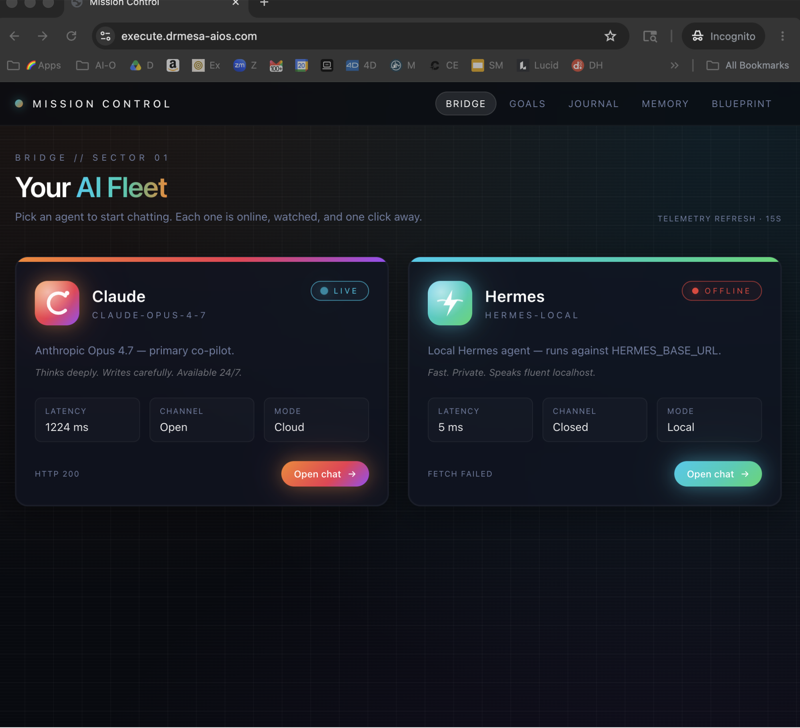
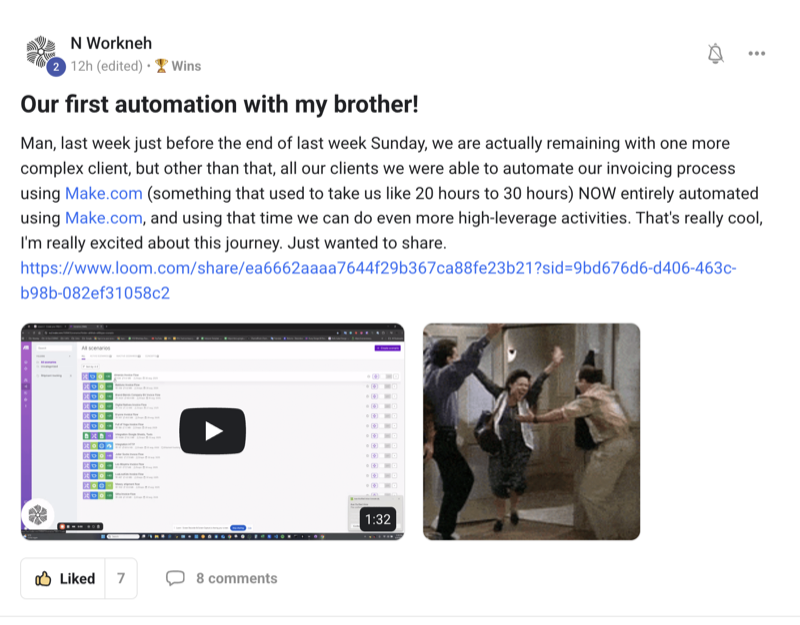
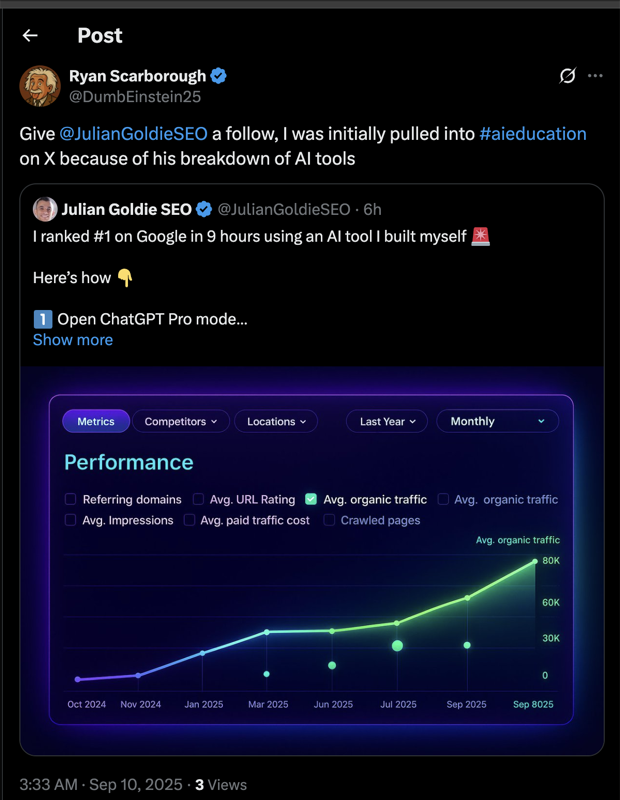
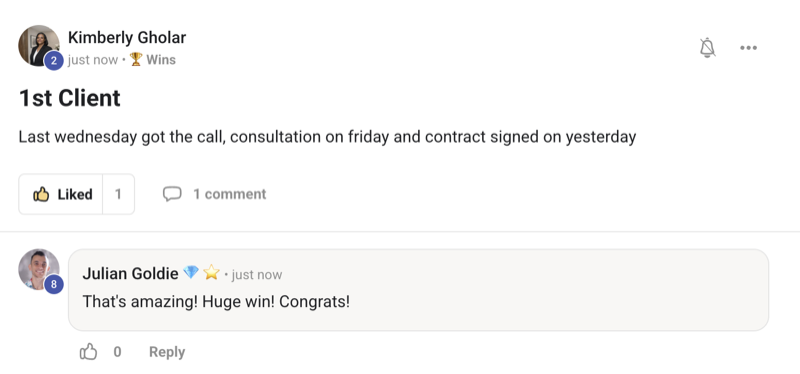
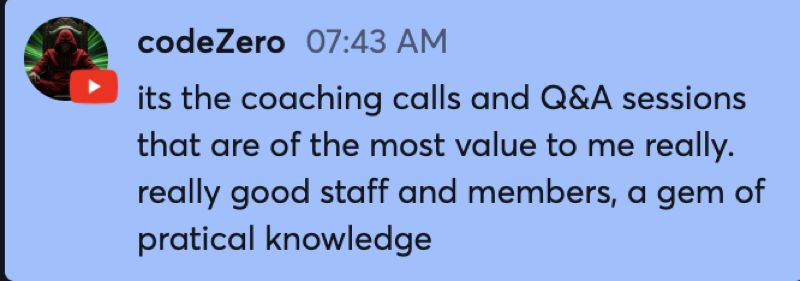
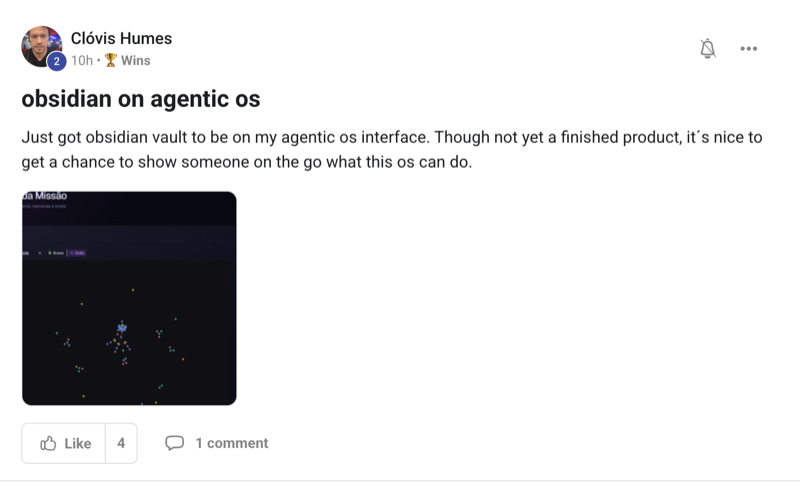
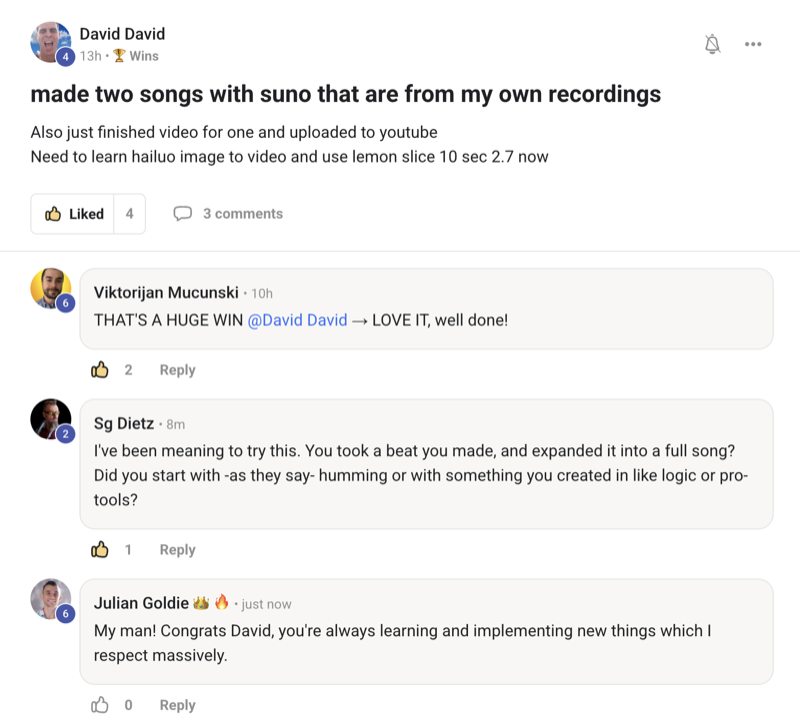
Real wins from inside the AI Profit Boardroom
See all 3,000+ members →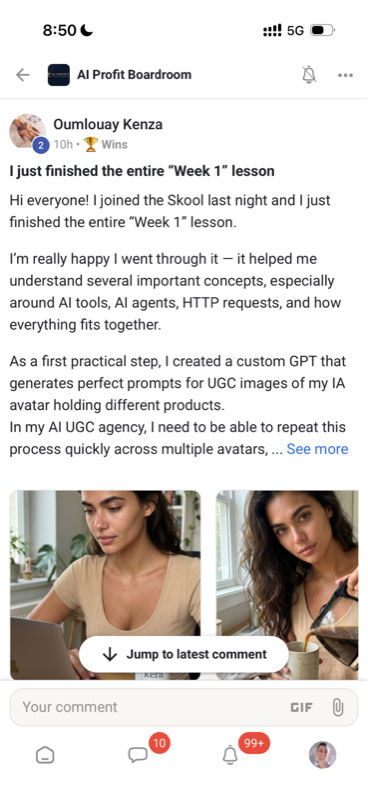
Ready To Join The #1 AI Community?
Join 3,600+ entrepreneurs inside the AI Profit Boardroom. Get 1,000+ plug-and-play AI agent workflows, daily coaching, and a community that holds you accountable.
Join The AI Community →7-Day No-Questions Refund • Cancel Anytime

Wait — before you leave
Get the entire AI Profit Stack for $59/mo locked
- 🎯 1,000+ done-for-you AI agent workflows
- 📅 5 live coaching calls per week with me
- 👥 3,000+ AI operators inside
- 🛡️ 7-day refund + 30-day ROI guarantee