In deepseek harness vs pi, the outcome depends on which kind of minimalism you actually want: Pi is the leaner tool — four built-in tools and a system prompt under 1,000 tokens, so every session starts cheap and nothing is hidden — while DeepSeek Harness is the more ambitious one, a web-first, everything-is-a-plugin platform where the model, tools, memory, sandbox and even the agent loop are swappable parts. Pick Pi if you want maximum control and minimum token overhead per session; pick DeepSeek Harness if you want a friendlier install, a plugin ecosystem and room to grow into a full agent stack. Here is the full comparison so you can make that call properly.
📺 Watch: Hermes vs DeepSeek Harness: Best AI Agent in 2026?
🔥 Get the Agent OS as a free bonus: AI Profit Boardroom members get the full Agent OS zip, prompt libraries, daily tutorials and weekly live coaching calls. → Get inside · Want AI SEO help 1-on-1? Book a free SEO strategy session →
DeepSeek Harness vs Pi: The Two Philosophies
Both tools are free, open-source agent harnesses — the shell around an AI model that gives it tools, file access and a working loop. From there they diverge completely.
DeepSeek Harness launched on 14 August 2026 and became one of the fastest-growing AI projects of the year, passing 70,000 GitHub stars within a day of release. It is MIT-licensed, installs with one command, and opens a local web chat in your browser rather than living in the terminal. The design philosophy is that everything is a plugin: the model, the tools, the skills, the memory, the sessions, the sandbox, the file system, the UI and the agent loop itself are all swappable. It reads agents.md and claude.md instruction files, supports MCP and the agent client protocol, and had over 300 community plugins indexed on day one. The project is led by Tani Su, who joined DeepSeek from Jane Street in March 2026, with a small team of 19 contributors building it between May and August. The honest caveat, covered in depth in the DeepSeek Harness review on this site: it is a version 0.1 developer preview, and the documentation warns about breaking changes in capital letters.
Pi is a minimalist open-source agent toolkit built on the opposite bet. It ships with exactly four tools: read a file, write a file, edit a file, run a Bash command. The reasoning, unpacked in the Pi vs OpenClaw comparison, is that modern models already know how to use Bash and file operations — they have been trained on them from the start — so stacking fifty extra tool definitions on top mostly burns tokens. Pi's pedigree matters too: OpenClaw creator Peter Steinberger used Pi as the actual foundation layer for OpenClaw, so this minimal toolkit is proven load-bearing infrastructure, not a toy.
Cost Per Session: Pi's Structural Advantage
The clearest measurable difference is startup overhead. As the Pi vs OpenClaw breakdown lays out, heavyweight harnesses such as OpenClaw and Claude Code carry roughly 12,000 to 16,000 input tokens of tools, definitions and system prompt before you type a single word. Pi's entire system prompt plus all four tools comes in under 1,000 tokens — a 12 to 16x difference in fixed cost per session. If you run dozens of agent sessions a day, that difference compounds into real money every month.
DeepSeek Harness sits between the extremes and is honest about the trade: a plugin architecture means you load what you choose. Run it lean — there is a dedicated guide to DeepSeek Harness minimal mode — and you keep overhead low; load a rich plugin stack and you pay for the convenience in context. Pi never presents that choice because there is almost nothing to load in the first place.
If you want to run lean agents that actually produce income rather than just burning tokens, the AI Profit Boardroom has step-by-step tutorials, full prompt libraries and weekly live coaching calls from people doing it daily — check out the AI Profit Boardroom. Or if you would rather talk your stack through 1-on-1 first, book a free SEO strategy session.
Feature by Feature
| Factor | DeepSeek Harness | Pi |
|---|---|---|
| Licence and price | MIT, free | Open source, free |
| Interface | Web-first: local browser chat | Terminal-first toolkit |
| Built-in tools | Plugin-based — everything swappable | Four: read, write, edit, Bash |
| Session overhead | Depends on loaded plugins | Under 1,000 tokens |
| Ecosystem | 300+ plugins indexed on day one, MCP, agent client protocol | Deliberately minimal; you build what you need |
| Maturity | v0.1 developer preview, breaking changes expected | Proven as the foundation layer of OpenClaw |
| Best for | Builders who want a friendly, extensible platform | Builders who want total control and lowest cost |
Two entries deserve emphasis. First, maturity cuts both ways: DeepSeek Harness has enormous momentum and a fast-moving team, but a v0.1 preview will break things under you, while Pi's smallness makes it stable almost by definition. Second, the interface difference is really an audience difference — DeepSeek Harness meets you in the browser and feels approachable from minute one, while Pi assumes you are comfortable living in a terminal and editing your own agent loop.
Setup and the Day-One Experience
How the first hour feels tells you most of what you need to know about each project's intentions.
With DeepSeek Harness, day one is deliberately gentle. The install is a single command, and instead of dropping you at a terminal prompt it opens a local web chat in your browser — a decision clearly aimed at people who found earlier agent tools terminal-scary. If you already keep agents.md or claude.md instruction files in your projects, it reads them as-is, and MCP support means your existing tool servers connect without rework. The practical effect is that a non-developer can be having a useful conversation with a working agent within minutes, then grow into the plugin system at their own pace. The DeepSeek Harness agent guide walks through that first session step by step.
With Pi, day one assumes more of you and gives you more back. There is no wizard and no web app: you get a toolkit, four tools and the expectation that you will assemble the agent you actually want. For a developer that is liberating — nothing happens that you did not wire up, which makes behaviour easy to reason about and debug. For everyone else it is a wall. Pi does not try to be approachable; it tries to be understandable, and those are different goals. If your eyes light up at a minimal foundation you fully control, that wall is the feature.
Which One Should You Choose?
- Choose Pi if you run high volumes of agent sessions where token overhead compounds, you want to see and control every part of your agent's behaviour, or you are building a custom agent product and want the thinnest possible foundation — the same reason OpenClaw's creator built on it.
- Choose DeepSeek Harness if you want a one-command install with a web interface, you value a plugin ecosystem you can raid instead of building everything yourself, or your existing setup already uses agents.md, claude.md or MCP servers and you want a harness that slots straight in.
- Choose neither in isolation if what you actually need is an orchestrated system of agents with jobs, schedules and memory — that is an architecture question more than a harness question, and the Agent OS guide covers how to structure it regardless of which harness sits underneath.
It is also worth widening the frame before you commit. DeepSeek Harness has been compared against the heavyweight options on this site — DeepSeek Harness vs OpenClaw and DeepSeek Harness vs Claude Code — and against the agent-platform approach in DeepSeek Harness vs Hermes. If your decision ultimately hinges on which model brain you will run inside the harness rather than the harness itself, the Goldie Bench write-up covers how those brains compare in hands-on tests.
The bottom line on deepseek harness vs pi: these tools agree that bloated agent stacks are the enemy and disagree about the cure. Pi removes everything and hands you the parts; DeepSeek Harness makes everything replaceable and hands you a marketplace. Match the tool to your appetite for building — and remember both are free, so trying each on a real task costs you nothing but an afternoon.
If you want the shortcut — working agent setups for every major harness, plus a community of 3,000+ operators comparing notes daily and weekly live coaching calls — check out the AI Profit Boardroom. And if you want a personal read on which stack fits your business, book a free SEO strategy session — no cost, no catch.
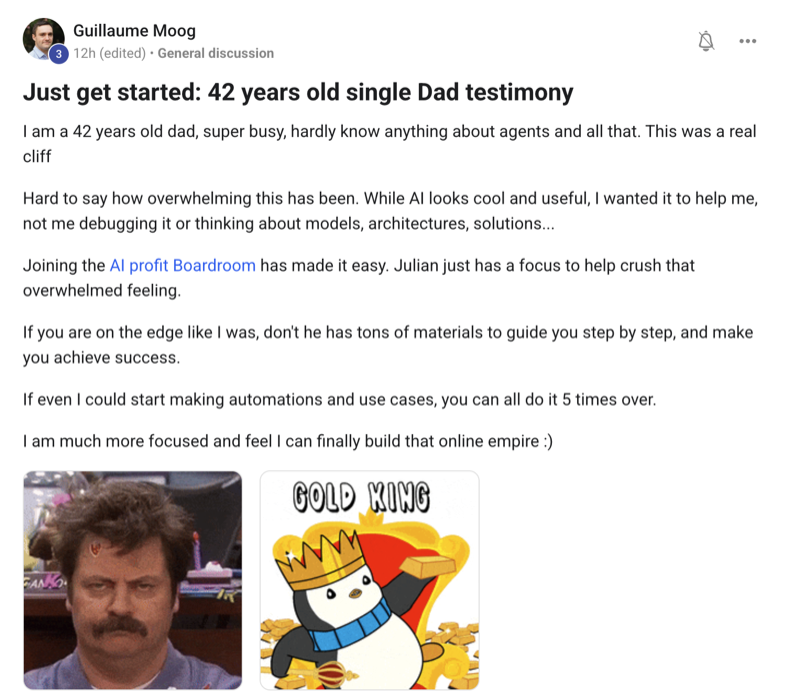
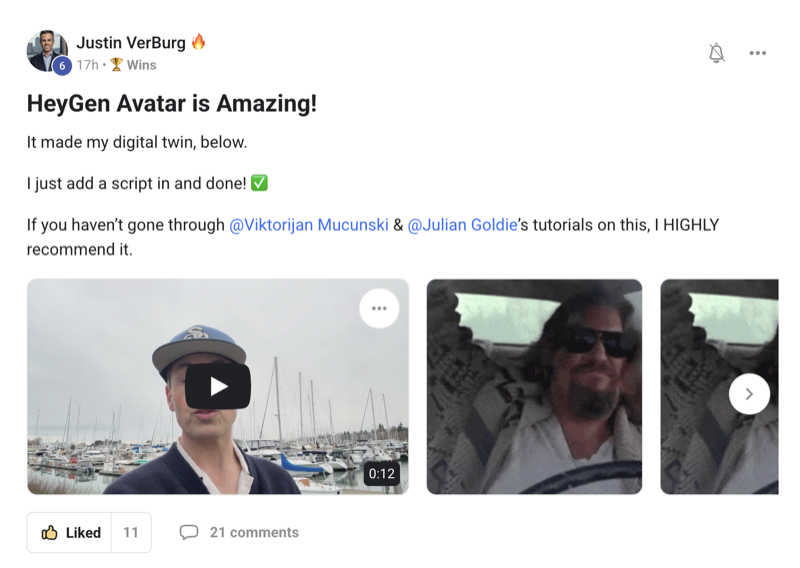
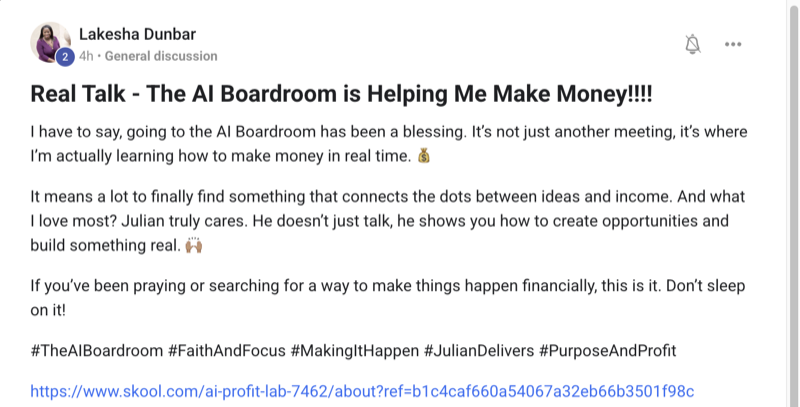
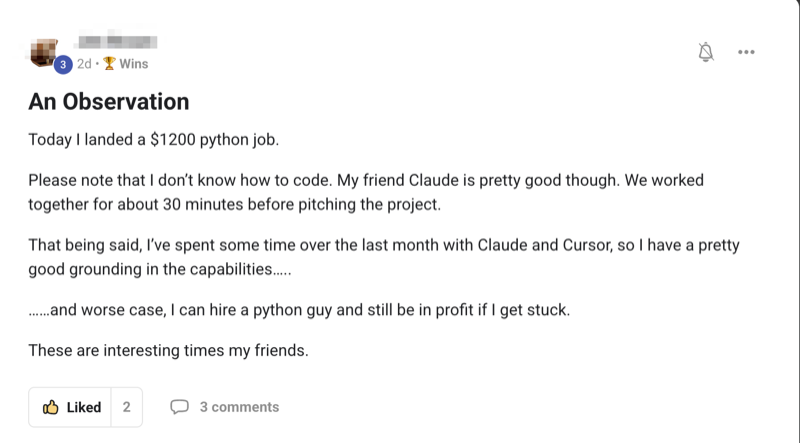
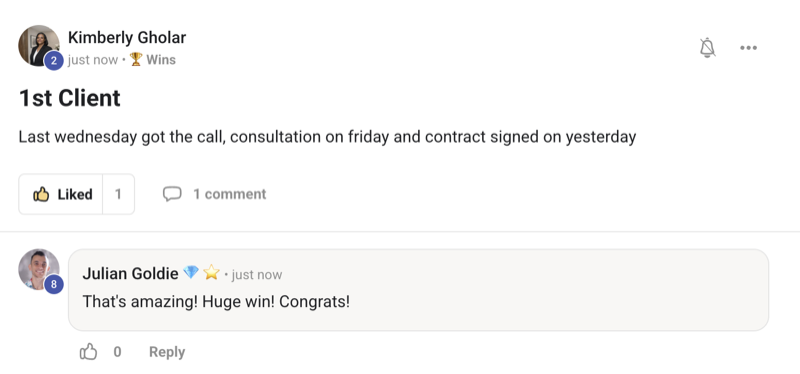
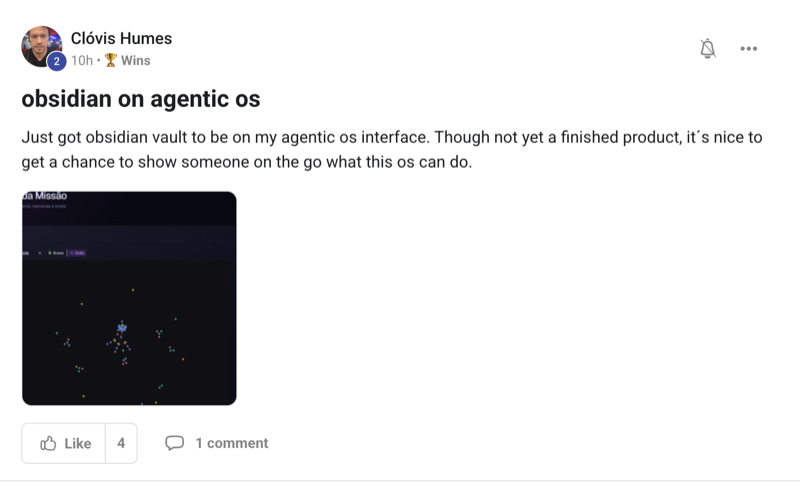
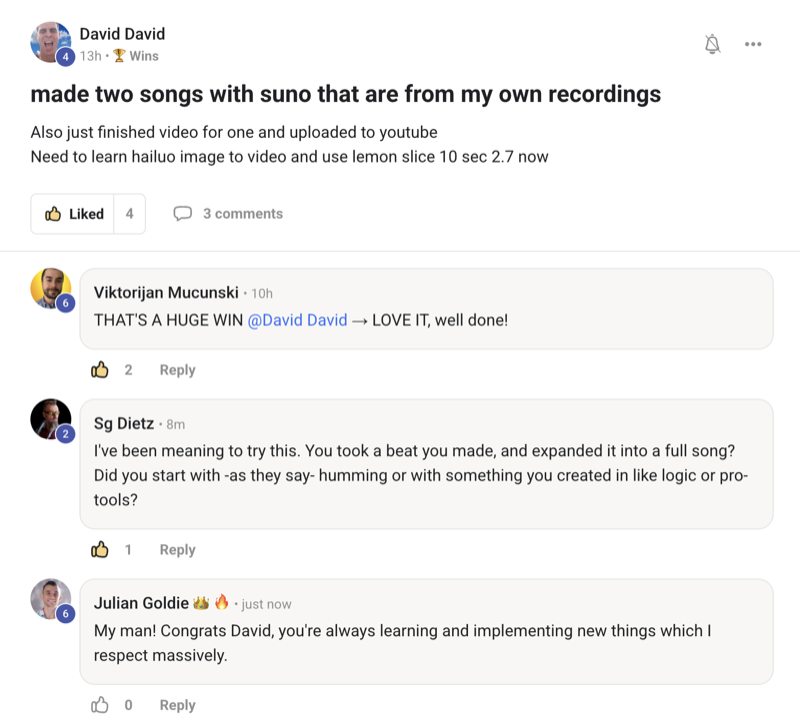
Real wins from inside the AI Profit Boardroom
See all 3,000+ members →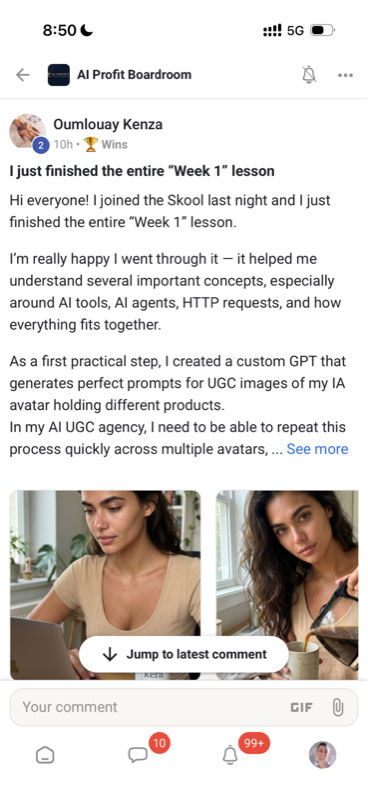
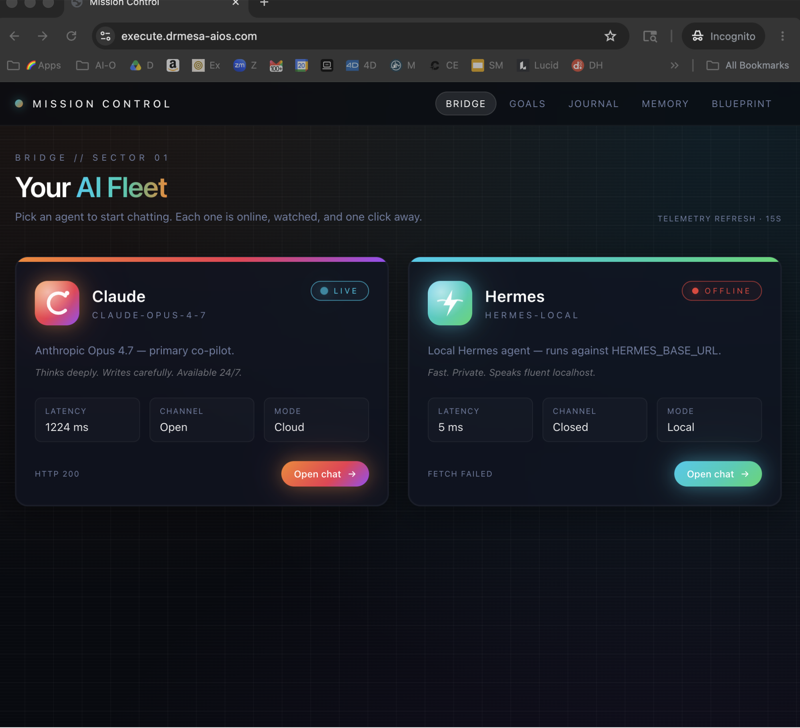
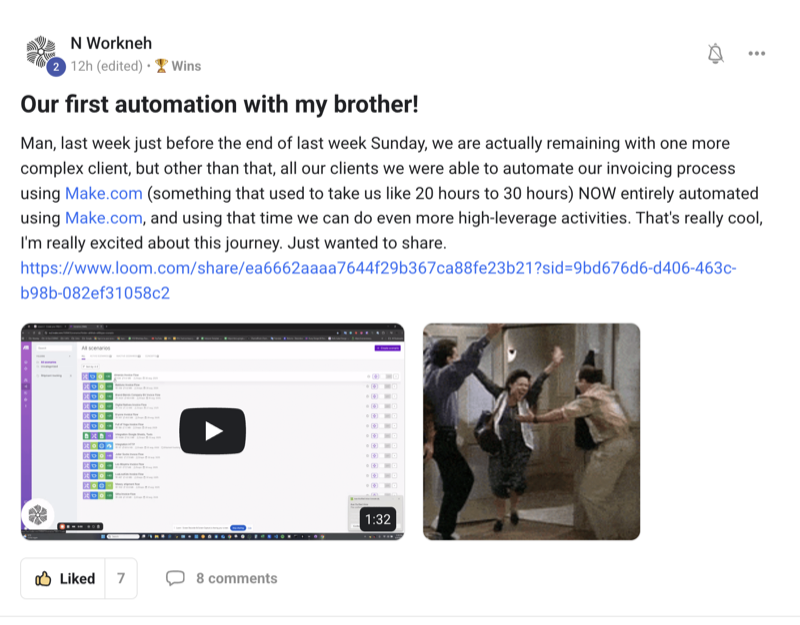
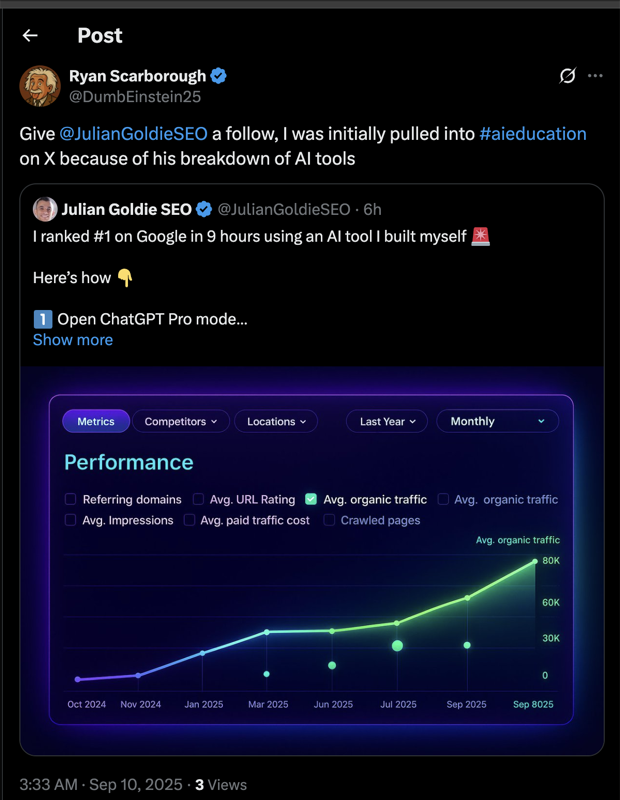
Ready To Join The #1 AI Community?
Join 3,600+ entrepreneurs inside the AI Profit Boardroom. Get 1,000+ plug-and-play AI agent workflows, daily coaching, and a community that holds you accountable.
Join The AI Community →7-Day No-Questions Refund • Cancel Anytime

Wait — before you leave
Get the entire AI Profit Stack for $59/mo locked
- 🎯 1,000+ done-for-you AI agent workflows
- 📅 5 live coaching calls per week with me
- 👥 3,000+ AI operators inside
- 🛡️ 7-day refund + 30-day ROI guarantee