A hermes bot mode group chat is a shared room where several of your named Hermes agents work a problem together: you send one message, the members take up to three rounds of turns responding to you and each other, and the room settles when nobody has anything left to add. It ships built into the Hermes desktop app as of v0.21.0, released 31 August 2026 — Bot Mode is now bundled and on by default — and it is the closest thing yet to running a small team meeting where every attendee is one of your own agents.
📺 Watch: Hermes Agent v0.21 Just Became a Full AI Team
🔥 Get the Agent OS as a free bonus: AI Profit Boardroom members get the full Agent OS zip, prompt libraries, daily tutorials and weekly live coaching calls. → Get inside · Want AI SEO help 1-on-1? Book a free SEO strategy session →
The mechanics below come from the official Hermes Agent Bot Mode documentation (accessed 2 September 2026) and the v0.21.0 release notes published by Nous Research on GitHub on 31 August 2026. There is also a viral speed claim doing the rounds this week that the docs do not support — covered further down.
How Hermes Bot Mode Group Chat Actually Works
The core loop is deliberately structured, and the official docs spell it out: "Your message triggers up to three serial rounds of member turns. @-mentioned Bots respond (everyone responds when nobody is mentioned); each Bot replies briefly or passes, and the room settles when a full round stays silent."
Unpacking that into the rules that shape a session:
- Rounds are serial. Members take turns within a round rather than all firing at once, and a conversation runs at most three rounds per message you send.
- Hard caps stop runaway debates. Per the docs, "hard caps (10 messages per send, 3 rounds) keep rooms from spinning" — a group cannot burn tokens deliberating forever.
- @-mentions scope the round. Mention specific bots and only they respond; mention nobody and the whole room weighs in.
- Silence is a feature. The docs are explicit that "not every Bot replies to every message" — speaking is each member's own choice, and a bot "replies only when it has something new to add and passes otherwise". A full silent round ends the exchange.
Membership management is simple: right-click a local bot and choose Manage groups to add or remove it from any number of rooms. Each bot keeps its identity everywhere it appears — v0.21.0 gives every agent profile a name and a deterministic avatar ("same name, same face, forever", as the docs put it), so your researcher, writer and reviewer read as distinct teammates rather than interchangeable sessions.
If you want ready-made multi-agent setups instead of figuring out bot rosters from scratch, check out the AI Profit Boardroom → see the agent playbooks inside. Prefer a personal walkthrough for your business? Book a free SEO strategy session with Julian's team.
About That "Parallel Rounds, 4x Faster" Claim
Posts circulating on X this week claim Hermes group chats now run member turns in parallel, making rounds roughly four times faster. As of 2 September 2026, the official documentation does not support this: the Bot Mode docs describe "three serial rounds of member turns", and no Hermes Agent release newer than v0.21.0 (v2026.8.31) exists on the project's GitHub releases page to have changed it. Parallelism may well be on the roadmap — but until Nous Research documents it, treat the 4x figure as unconfirmed community chatter rather than a shipped feature. What v0.21.0 verifiably did ship for speed is elsewhere in the release: reduced default context use and monitor-mode scheduled jobs that skip model calls when nothing changed.
Group Chats vs Bot-to-Bot DMs: Two Different Tools
v0.21.0 actually shipped two kinds of agent-to-agent communication, and knowing which to use matters. Group chat is the visible, human-in-the-loop surface: you watch the deliberation happen, Discord-style, and can steer it mid-flow. Direct messages between bots are the plumbing alternative — a bot calls the message_agent tool with a target teammate's handle, and per the docs delivery is "fire-and-forget: the sender gets an acknowledgement, finishes its turn, and the reply arrives later as a background completion notification". There is also a hermes peer command for bot-to-bot DMs across profiles from the CLI, per the release notes.
The practical split: use a group chat when you want several perspectives on one artefact — a plan critiqued, a draft attacked from different angles — and DMs when one agent simply needs something from another mid-task without convening a meeting. Our Hermes v0.21 Pantheon release overview covers the full feature list, and the release notes credit the scale behind it: roughly 5,800 commits and 760+ contributors since v0.20.0.
Setting Up a Useful First Group Chat
The pattern that maps best onto the documented mechanics is a small, opinionated panel:
- Pick two or three bots with genuinely different jobs. The docs describe rooms of a handful of coordinating bots — a researcher, a sceptic and a copywriter beat five generalists, because bots that would say the same thing simply pass.
- Give each a distinct standing brief. Bot Mode profiles carry their own instructions and, via the Routines pane, their own recurring tasks — so the sceptic is always the sceptic, in every room it joins.
- Send one concrete artefact, not a vague topic. "Here is the landing page copy — poke holes" uses the three rounds well: round one surfaces objections, round two tests them against each other, round three converges.
- Use @-mentions to direct traffic. Scoping follow-ups to the relevant bot keeps you inside the 10-message cap instead of spending it on polite passes.
Because the caps are hard, group chats are for convergence, not long-running work. Anything open-ended belongs with a single agent on a schedule — the Hermes cron job guide covers that side, including v0.21.0's new persistent memory between runs — with research legwork handled by tools like the free Hermes web search setup.
When a Group Chat Is the Right Tool — and When It Is Not
The caps make the design philosophy obvious once you have read them: a Hermes bot mode group chat is built for short, convergent deliberation, and fighting that shape wastes tokens. A simple decision test covers most cases:
- Use a group chat when the output is a judgement. Should we ship this? Which of these three headlines wins? What is wrong with this plan? Multiple standing perspectives, three rounds, done — the room's whole purpose is to compress a debate you would otherwise run manually across several one-on-one sessions.
- Use a single agent when the output is an artefact. Writing the report, building the page, doing the research run — that is one bot's job, possibly informed by a group verdict beforehand. Sending production work into a room invites nine messages of commentary on the first paragraph.
- Use DMs when the output is a hand-off. One agent needs a fact, a file or a sub-result from another mid-task; message_agent moves it without convening anyone.
The economics follow the same line. Every member turn is a model call, so a full three-round, ten-message exchange across a room of specialists is one of the more expensive single actions you can trigger in Hermes — worth it when the judgement matters, wasteful as a default. The pass mechanic is your friend here: well-briefed bots that decline to speak when they add nothing keep real costs far below the theoretical cap, which is another argument for sharp, narrow standing briefs over generalist prompts.
📺 Watch: 10 Hidden Hermes Agent Skills That Change Everything
Where This Fits in the Multi-Agent Landscape
Group chat rooms put Hermes in direct conversation with every other multi-agent push this year — from coding-focused rivalries like Grok Build CLI vs Claude Code to the API-design debates in DeepSeek's Responses API vs Chat Completions and the model shoot-outs like Qwen3.8 Flash Next vs GLM-5.3 Flash. Hermes' bet is distinctive, though: rather than hiding orchestration behind an API, it makes the team visible — named colleagues you watch deliberate. For picking which model brains to put behind those faces, the Goldie Bench write-up covers how the current contenders compare in hands-on tests, and the Agent OS resource covers structuring the standing instructions that make a roster of specialists actually behave like one.
If you want to run an AI team like this profitably — rosters, prompts, and the workflows that turn agents into output — check out the AI Profit Boardroom → get inside here. And if you would rather map it 1-on-1 first, book a free SEO strategy session — it costs nothing and you leave with a plan.
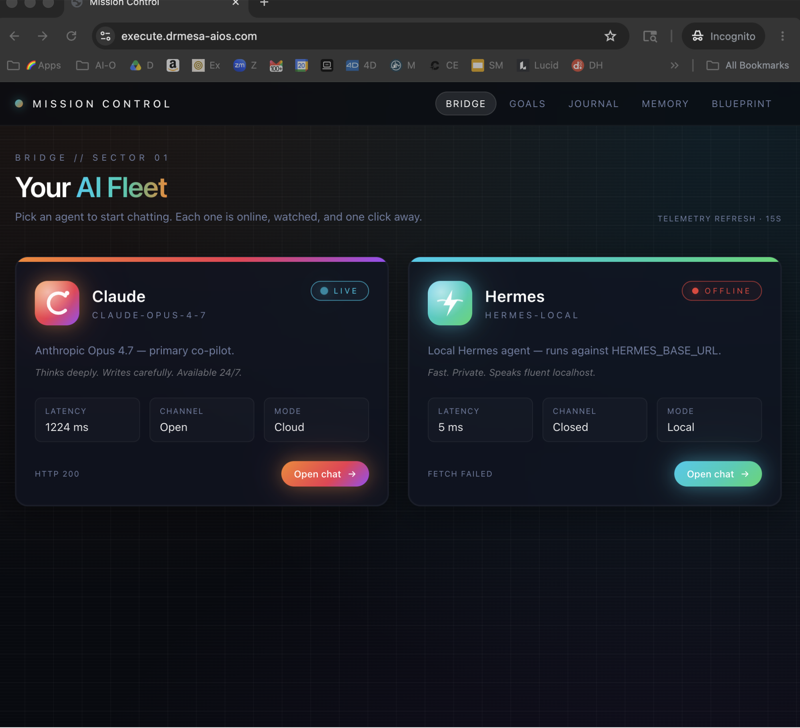
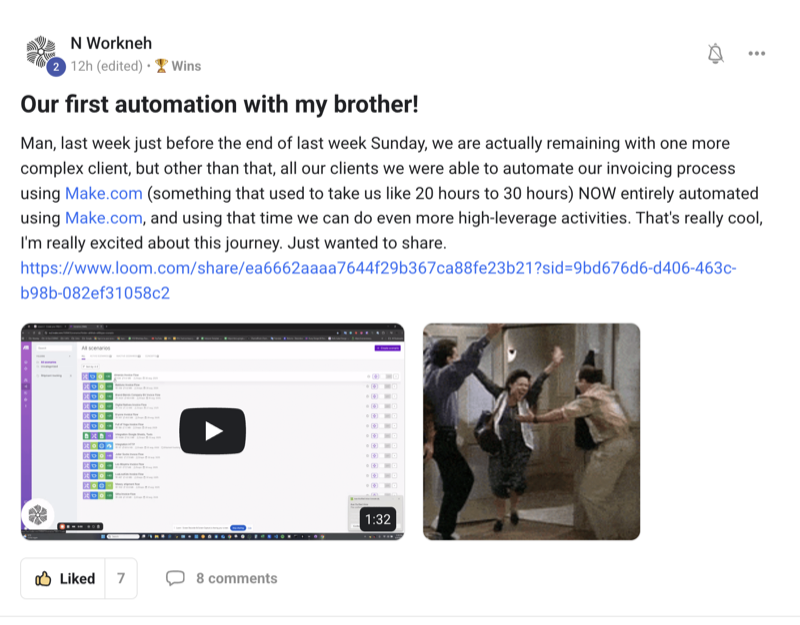
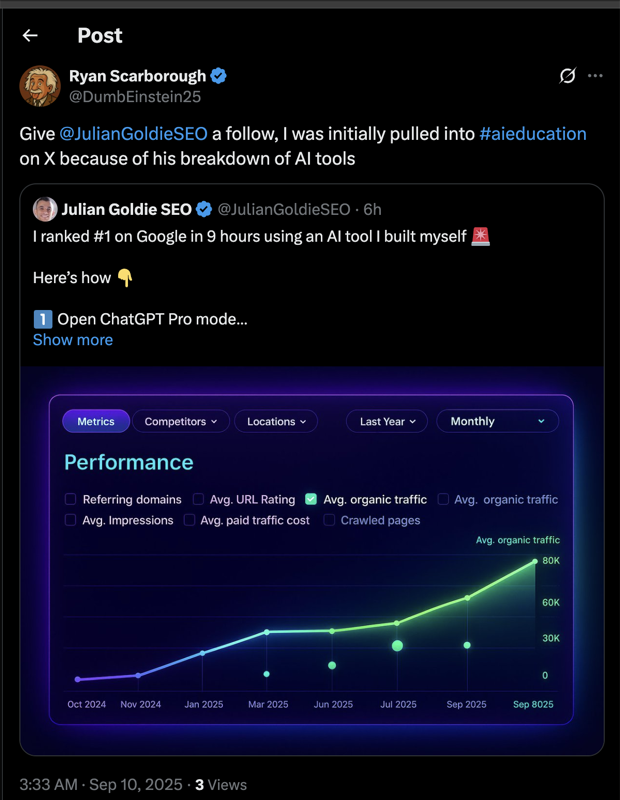
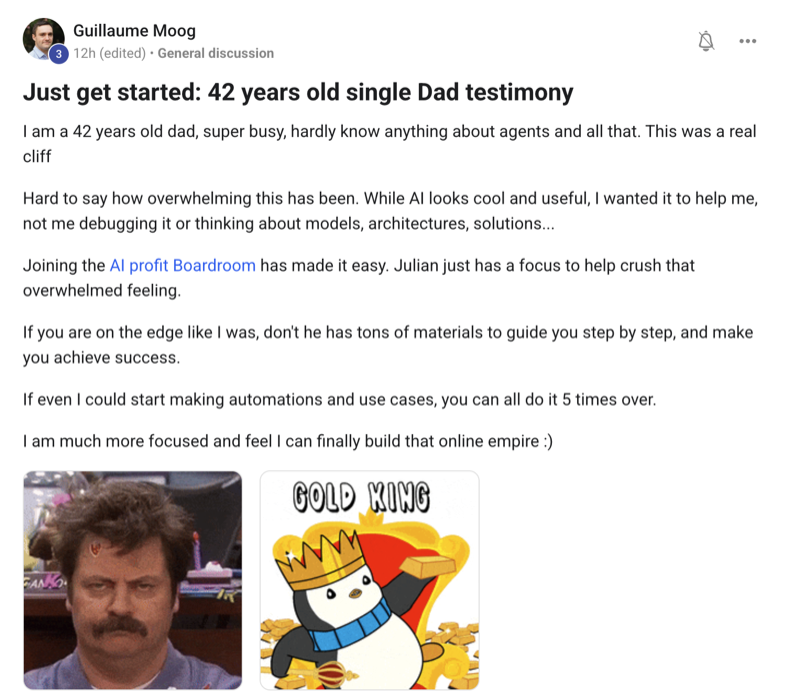
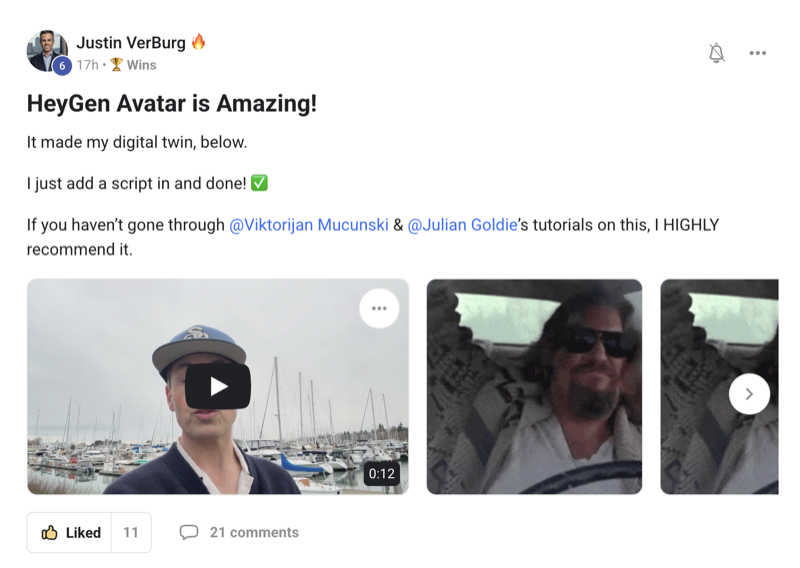
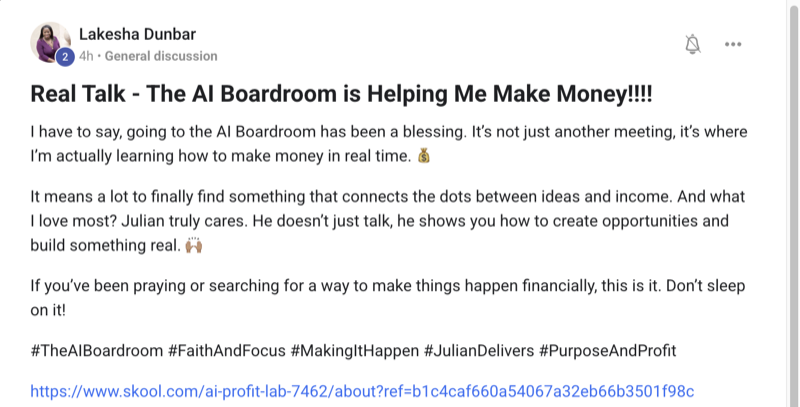
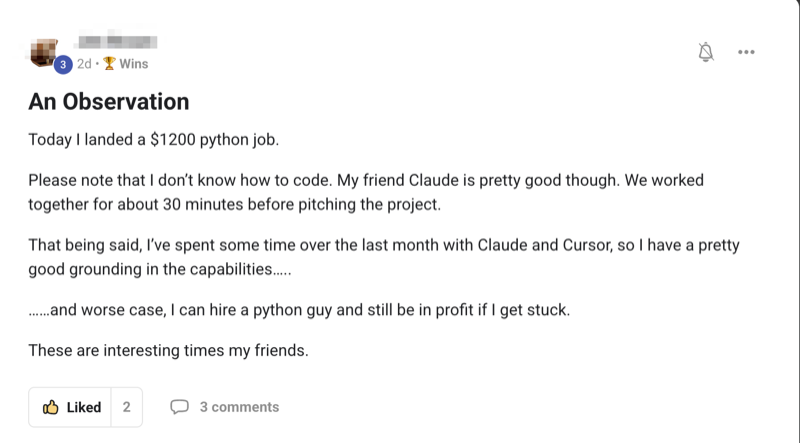
Real wins from inside the AI Profit Boardroom
See all 3,000+ members →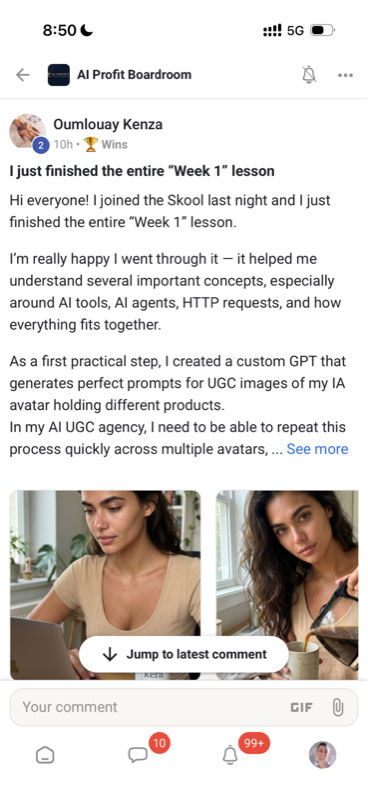
Ready To Join The #1 AI Community?
Join 3,600+ entrepreneurs inside the AI Profit Boardroom. Get 1,000+ plug-and-play AI agent workflows, daily coaching, and a community that holds you accountable.
Join The AI Community →7-Day No-Questions Refund • Cancel Anytime
Wait — before you leave
Get the entire AI Profit Stack for $59/mo locked
- 🎯 1,000+ done-for-you AI agent workflows
- 📅 5 live coaching calls per week with me
- 👥 3,000+ AI operators inside
- 🛡️ 7-day refund + 30-day ROI guarantee