How to vibe code in Google Antigravity IDE is the question every developer was asking after the November 2025 launch, and after running the public preview for several weeks I'm convinced this is the closest thing to a real dev team that solo founders can install for free. The agents don't just suggest code — they build, test, and verify entire features end-to-end while you focus on what to build next.
This post covers what Antigravity is and why it matters, the difference between Editor and Manager views, how to spawn multi-agent workflows, what artifacts give you, and the common gotchas to avoid in the public preview.
🔥 Want my full Antigravity vibe coding playbook? AI Profit Boardroom has the playbook + weekly coaching. → Get the playbook
What Antigravity Is
Antigravity is Google's "agent-first IDE," released as a public preview on November 18, 2025. It's not just code completion with extra steps — agents do the work end-to-end, from writing code to testing it in a real browser to verifying that the result actually behaves correctly. It's powered by Gemini 3 Pro by default and also supports Claude Sonnet 4.5 (and now 4.8) plus the open-source GPoss model for privacy-sensitive work.
The shift in mental model matters more than the feature list. You're not autocompleting code — you're managing agents that build for you.
Two Views
Antigravity has two main views, and you'll switch between them constantly.
The Editor view looks and behaves like VS Code. You get the code editor, side panels, and natural-language task input. This is where you drop in for manual editing or when you want to review what the agents have produced. The Manager view is mission control for your agents. You spawn multiple agents, watch them work in parallel, and comment on their plans as they execute. This is where the magic happens, and most of your day will be spent here once you've got the hang of the tool.
Watch The Walkthrough
For the broader Claude Code context that pairs nicely with Antigravity, the Hermes walkthrough below covers the agent ops layer most pros run alongside the IDE.
What Agents Can Do
Antigravity agents have three superpowers that combine to make end-to-end builds genuinely possible.
The first is full code editor access — agents write and edit code across your project just like you would. The second is terminal access, so they can run commands, start dev servers, and run tests as part of their workflow. The third is web browser access, where they open a browser, click through the app, take screenshots, and verify that things actually work before declaring a task done.
Together, these three capabilities mean an agent can take a feature from "just an idea" to "deployed and verified" in one session.
Multi-Agent Workflows
The real leverage comes from running multiple agents in parallel rather than one at a time.
A typical pipeline might have Agent A building the UI, Agent B writing tests, and Agent C fixing bugs identified by Agent B's tests. All three work concurrently while you manage from the Manager view. The team-level output from a single founder is what makes this genuinely different from any IDE that came before it.
Artifacts (Transparency Layer)
Every agent action creates artifacts that give you full visibility into what's happening.
You get task lists showing what the agent plans to do, implementation plans laying out the approach, screenshots of the browser as the agent verifies its work, and full browser recordings of test runs. You can comment on any artifact, and the agent adjusts its work based on your feedback in real time.
It feels like Google Docs collaboration, but with AI agents instead of teammates.
Memory
Agents in Antigravity remember across sessions, which makes them genuinely useful for long-running projects.
They remember past tasks they've handled, code snippets and patterns you've used, and the feedback you've given. This means agents get better the longer you work with them — if you ask for something similar to what you built last week, the agent already knows your style and conventions.
Setup Steps
Five steps from zero to your first agent build.
Step one is downloading from the Antigravity website, which has builds for Windows, Mac, and Linux. Step two is the hardware check — minimum 8 GB RAM, with 16 GB+ recommended for serious use. Step three is signing in with your Google account. Step four is spawning your first agent from the Manager view by giving it a plain English task. Step five is watching it work in real time, or coming back later once it's done.
The whole flow takes about five minutes for most users.
Common How To Vibe Code Antigravity Tasks
Six task types where Antigravity genuinely shines.
Building small apps with prompts like "build me a simple to-do app" works brilliantly — the agent writes, tests, and verifies in one flow. Building landing pages with "build a SaaS landing page for X" delivers a full stack page in 15-20 minutes. Refactoring codebases with "modernise this to TypeScript" handles the multi-step refactor end-to-end. Adding features to existing apps like "add login + auth" produces working code on the first try most of the time. Bug fix sprints with "find and fix bugs in this repo" let you spawn agents on the issue tracker and clear backlogs autonomously. Test coverage sprints with "add tests to all functions" deliver real coverage gains in hours rather than days.
Models In Antigravity
Three model options to pick from.
The default is Gemini 3 Pro, which is Google's flagship and delivers strong agent performance for most tasks. The Anthropic option is Sonnet 4.5 (and now 4.8) — see Sonnet 4.8 Review for why this is my pick for reasoning-heavy work. The open source option is GPoss, which is the right choice for privacy-sensitive work where data can't leave your infrastructure.
For most work, the default Gemini 3 Pro is plenty. Don't over-engineer the model choice on day one.
Use Git (Critical)
Antigravity's docs say it and I'll repeat it in bold: use Git.
Commit before letting agents touch any code. If they break something — and occasionally they will — you can roll back in seconds instead of losing hours of work. This is non-negotiable. Treat it the same way you treat a parachute: you hope you don't need it, but you don't operate without it.
Common Gotchas
Three issues to watch for in the public preview.
The first is the public preview means bugs. Some crashes happen, some features feel unfinished, and you should expect occasional weirdness. The second is rate limits, which trip up heavy users and refresh every five hours. Plan your usage accordingly. The third is Mac login issues that some users have reported. If you hit one, the workarounds in their docs usually solve it.
Antigravity Vs Cursor
| Feature | Antigravity | Cursor |
|---|---|---|
| Code completion | Yes | Strong |
| Agents | Multi-agent first | Limited |
| Browser integration | Native | None |
| Artifacts | Yes | No |
| Memory | Yes | Some |
| Mission Control | Yes | No |
For agent-driven work, Antigravity wins clearly. For pure code completion as you type, Cursor is still excellent and many pros run both for different parts of the day.
Antigravity Vs Claude Code
These two tools represent different paradigms rather than direct competitors.
Claude Code is terminal-first with powerful agents and is great if you live in the CLI. Antigravity is GUI-first with multi-agent native, and shines when you want visual mission control. Both are excellent and they fit different workflows — many devs use both for different jobs.
Common Mistakes
Three mistakes I see new Antigravity users make.
The first is trusting agents blindly. Always review the artifacts before merging anything important, even when the output looks polished. The second is skipping Git, which means no rollback when something goes wrong. The third is using public preview for production work — wait for stable releases before shipping anything customer-facing or revenue-critical.
Real How To Vibe Code Antigravity Examples
Five real builds I've shipped with Antigravity.
The first was a simple to-do app in five minutes, end-to-end. The second was a SaaS landing page, full stack, in 20 minutes. The third was adding auth to an existing project, which took 40 minutes and worked first try. The fourth was a JS-to-TypeScript refactor that took a couple of hours of multi-step agent work. The fifth was a test coverage sprint where I spawned multi-agent and saw real coverage gains by end of day one.
These aren't cherry-picked successes — they're representative of what the tool delivers when you give it specific, well-scoped tasks.
🚀 Want hands-on Antigravity coaching? AI Profit Boardroom has weekly coaching for AI coding stacks. → Join here
The Future Of Coding
Antigravity hints at where coding work is heading.
The developer role shifts from writing code line by line to managing agents that write the code. Strategic and creative work wins because the boring stuff is automated, which means human judgement gets concentrated on the parts that actually need it. Bigger projects become feasible for smaller teams — solo devs can now ship at enterprise scale because the leverage is so high.
Cost To Run
The public preview is free for now, subject to rate limits. Eventually pricing will land — likely a tiered model with free, paid, and enterprise tiers — but for now you're getting team-level dev leverage at zero marginal cost. That's a window worth exploiting.
Pairing With Other AI Tools
Antigravity owns the code surface, but a complete AI stack pairs it with three other layers.
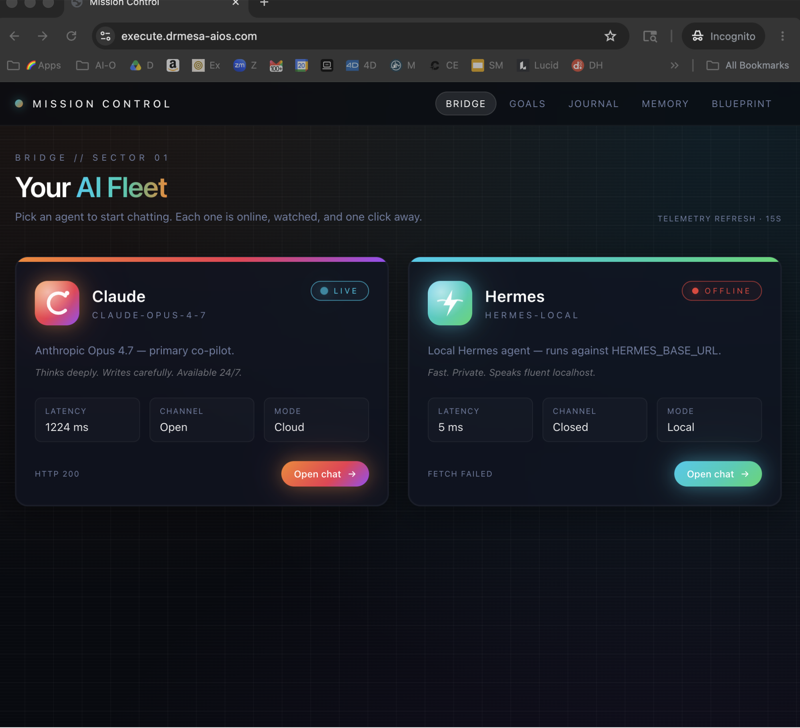
Run Hermes for non-coding ops like research, content, and customer comms — see Hermes AI Agent Framework 2026 for the setup. Use Sonnet 4.8 as your alt model when reasoning matters more than speed — see Sonnet 4.8 Review. Use Claude Code for terminal-first flows where you don't want a GUI — see Claude Code SEO Agent. Use OpenClaw for daily desktop AI tasks — see OpenClaw Computer Use.
Antigravity handles the coding surface and the others handle everything else.
Daily Routine With Antigravity
A typical day looks like this once you're set up.
In the morning I spawn two or three agents on the day's tasks and let them get going. Mid-day I review the artifacts and comment back if anything's off. The afternoon is for deeper agent work, including spawning new agents based on what came back. In the evening I commit, plan tomorrow's queue, and sign off.
Total dev output is 2-3x what I shipped before Antigravity, with less time spent on the work itself.
When Antigravity Isn't Ready
Honest about the limits.
For mission-critical production work, the public preview is too rough. For heavy use, rate limits will bite. For specific niche tools, integration is more limited than mature IDEs that have had years to build their plugin ecosystems.
For experimentation, ship today. For production, wait for stable or use sparingly with extra review.
FAQ — How To Vibe Code In Antigravity
Is it free?
Public preview is free for now. Pricing will land eventually but no announced date.
Best model?
Gemini 3 Pro is the default and works well for most work. Sonnet 4.5+ for reasoning-heavy tasks.
Use Git?
Always. Non-negotiable.
Production-ready?
Not yet — it's still public preview. I'd wait for stable for anything customer-facing.
Better than Cursor?
For agent-driven work, yes. For pure code completion, roughly tied.
How does it feel?
Like managing a dev team rather than coding solo.
Worth installing today?
Absolutely. The 5-minute setup pays back in your first day of use.
Also On Our Network
- 🌐 Read on aiprofitboardroom.com
- 🌐 Read on juliangoldieaiautomation.com
- 🌐 Read on aisuccesslabjuliangoldie.com
- 🌐 Read on aimoneylabjuliangoldie.com
Related Reading
- Sonnet 4.8 Review — alt model.
- Claude Code SEO Agent — Claude Code stack.
- Hermes Agent Goals — autonomous loops.
📺 Video notes + links to the tools 👉
🎥 Learn how I make these videos 👉
🆓 Get a FREE AI Course + Community + 1,000 AI Agents 👉
How to vibe code in Google Antigravity IDE comes down to embracing agents as builders, not assistants — install today and start managing AI dev teams this week.